Top Signs Your Kansas City Parking Lot Needs Asphalt Repair Now
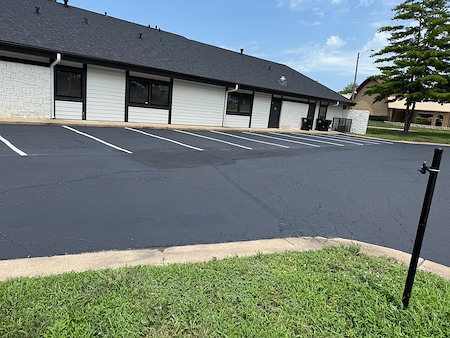
Kansas City weather is tough on pavement. Freeze and thaw in winter, heavy spring rain, and hot, sunny summers all speed up wear on commercial lots from Crossroads and the River Market to Overland Park and Lee’s Summit. If you manage a property and see trouble spots forming, choosing timely asphalt repair prevents bigger failures and keeps people safe.
Here is how to spot real problems, understand why they happen in Kansas City, and decide on the right next step with a trusted local asphalt company like Gorman Sealcoating & Striping. For fast help, call 913-626-7769.
How Kansas City Weather Wears Out Parking Lots
Our climate swings hard. Water gets into tiny openings, freezes, expands, and breaks the bond below the surface. Spring storms add more water, and summer heat oxidizes the binder so the surface turns dry and brittle.
Snowplows, deicing salt, delivery trucks, and sharp turning in tight stalls accelerate damage at entries, loading zones, and drive lanes. Poor drainage near low spots or storm drains pushes failures even faster in neighborhoods like Westport and North Kansas City.
Top Signs Your Parking Lot Needs Repair Right Away
Alligator Cracking That Spreads
Interlaced cracks that look like reptile skin signal weakened base support. Never ignore alligator cracking. Surface sealer or fresh paint will not stop it. Ask about parking lot alligator cracking repair to stabilize the area before sections start breaking apart.
Potholes and Deep Depressions
Potholes form when water and traffic erode the base. Deep tire ruts or sunken patches near dumpsters or loading docks mean the structure is failing. These areas often require removal and patching, not just a topical fix.
Standing Water After Rain
Water that sits longer than nearby pavement, especially around storm drains or along curb lines, is a red flag. Puddles often signal a problem below the surface. Left alone, moisture weakens the base and turns small dips into larger, more expensive repairs.
Raveling and Loose Gravel
If the surface looks sandy or you see loose aggregate collecting at the ends of stalls, the binder is oxidizing. Raveling reduces skid resistance and opens the door to leaks, then cracks, then potholes.
Cracks Wider Than a Quarter-Inch
Wide, connected, or growing cracks invite water beneath the mat. In Kansas City’s climate, they expand fast. Professional crack filling stops the spread and protects your base from more damage.
Edge Failures and Seam Splits
Crumbled edges where pavement meets landscaping or concrete aisles, and seams that split along old joints, are common after plowing seasons. These let water in and create trip hazards if not addressed promptly.
Color Fading, Brittle Texture, and Vanishing Lines
Oxidation turns asphalt from rich black to gray. If your striping is barely visible, the surface may be dry and porous. Fresh paint will not fix structural issues. Pair new markings with asphalt sealcoating to lock out UV and water so the lines last.
Recurring Patches That Do Not Hold
If the same spots keep failing, the problem is deeper than the surface. This often points to drainage or base concerns that need a stronger, permanent approach.
Oil Spills and Chemical Softening
Fuel and oil dissolve binders. Dark, soft, or sticky spots around drive lanes and loading zones should be professionally evaluated so they do not spread.
What Happens If You Wait
Small defects grow, and water does the rest. Cracks multiply, new potholes appear, and curb joints open up. Vehicle damage, slips, and blocked ADA routes raise safety concerns and can disrupt business. Small cracks today become big repairs tomorrow. Acting early saves time and helps avoid disruptive shutdowns later.
Repair Paths A Pro May Recommend
Every lot is different, and the right fix depends on condition, usage, and season. Your estimator may suggest one or a mix of these services:
- Crack filling to seal active cracks and keep water out
- Pothole patching or cut-and-replace where base support has failed
- Surface asphalt repair for localized structural issues
- Asphalt sealcoating after repairs to slow aging and restore color contrast
- Line striping for safe traffic flow and ADA wayfinding once the surface is ready
If storms create sudden hazards, many teams can coordinate emergency asphalt repair scheduling when possible, especially for entry drives and fire lanes. Availability varies by season and weather conditions.
Kansas City Context: Where Problems Start First
We often see accelerated wear at plaza entrances, stacked drive lanes near quick-service restaurants, and tight turning zones around loading docks. In neighborhoods like the Country Club Plaza and the Crossroads, heavy foot traffic and deliveries magnify small flaws fast.
On the Missouri side, older lots in Raytown and Blue Springs can show edge failures along curbs where sealant has worn away. In Overland Park and Olathe, ponding near landscape islands is a frequent early warning sign, especially after spring rain.
How To Prioritize Repairs Across Your Property
Focus first on safety and traffic flow. Tackle deep holes, wide cracks on walk paths, and low spots where water sits. Next address high-visibility areas by entrances and main aisles. Then stabilize secondary sections so they do not become tomorrow’s emergency.
- High priority: deep potholes, lifted edges at crosswalks, and broken pavement by storm drains
- Next up: growing crack networks, raveling lanes, and faded wayfinding that confuses drivers
- Then: preventive sealing to protect the rest of the lot and slow future damage
Once repairs cure, sealing and fresh striping extend the life of your investment and improve curb appeal for tenants and customers.
Faded Surface? Pair Protection With Visibility
If your lot looks chalky and lines are hard to read, ask about faded asphalt parking lot solutions that combine repair, protective coating, and re-striping. This package helps block UV, resists water, and restores contrast so drivers can navigate safely day and night.
When your goal is long-term performance, build a plan that includes asphalt sealcoating at the right interval for your usage and exposure. That way, new patches blend in and last longer.
Why Work With a Local Asphalt Company
Local teams understand our soil conditions, winter plowing patterns, and scheduling windows that fit Kansas City weather. They know which mixes, crack sealants, and patching approaches perform best near you and can phase work to reduce downtime for tenants and shoppers.
To learn about services, crew availability, and maintenance planning, start at our home page: asphalt repair Kansas City. You can also talk through a sequence that fits your property’s calendar, such as night work for busy centers or school breaks for campuses.
Next Steps: See What Your Lot Really Needs
If you notice any of the signs above, do not wait for another storm cycle. A short site visit can confirm the root cause and outline options you can trust. When structural sections are failing, targeted parking lot asphalt repair helps you avoid larger tear-outs later.
Ready to restore a safer, cleaner lot with Gorman Sealcoating & Striping? Call 913-626-7769 and schedule professional service, or get started online with asphalt repair today.