Pothole Repair Options: Infrared Vs Cut & Patch for KC Winters in Kansas City, KS
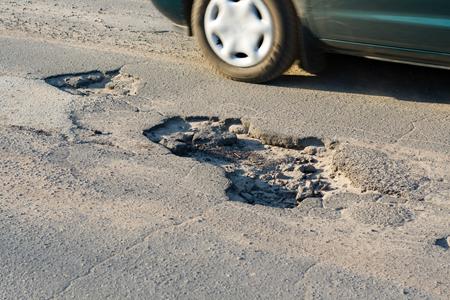
Freeze and thaw cycles in Kansas City, KS, are tough on asphalt. If you are weighing pothole repair methods, here is a clear guide to help you choose between infrared and cut and patch, with an easy path to schedule pothole patching when you are ready.
Both approaches fix pavement damage, but they solve different problems. By the end, you will know which one fits your lot or driveway and what to expect for “turnaround time,” “traffic control,” and “warranty considerations.”
What Infrared Asphalt Repair Does In Winter
Infrared repair uses a specialized heater to soften the existing asphalt around a pothole. The crew blends the rejuvenated material with a fresh mix, rakes it level, and compacts the area so it bonds to the surrounding surface.
This method shines in cold months because it minimizes saw cuts and can be performed in smaller windows of winter weather. It works best for shallow potholes, raveling around utility cuts, or seam failures that have not turned into base problems.
- Best When: The base is stable, and the damage is shallow or localized.
- Seasonal Edge: Faster setup and fewer steps often mean less downtime during cold snaps.
- Finish: Blended edges help reduce visible seams compared to a square patch.
If water is entering through small openings, infrared can seal them before freeze–thaw turns them into larger failures.
How Cut And Patch Handles Deep Damage
Cut and patch is the traditional, structural fix for potholes caused by deeper problems. Crews saw cut a clean rectangle, removed failed asphalt, inspected the base, and rebuilt the section with new material before compacting it to grade.
Because it addresses the root of the problem, cut and patch is the right choice when the pothole is deep, pumps water, or shows signs of base failure like repeated sinking. In winter, scheduling may depend on mix availability and weather windows, yet it remains the go-to option for long-term stability when the subbase is compromised.
- Best When: The area is deep, crumbling, or moves under traffic.
- Seasonal Consideration: May require a tighter schedule and coordination if plants or temps are limited.
- Finish: A crisp, square patch designed to carry traffic without flexing.
When the base is unstable, a cut and patch is the only repair that restores structure and helps stop recurring potholes.
Turnaround Time, Traffic Control, And Warranty Considerations
Turnaround Time In Cold Weather
Winter work windows can be short. Infrared repairs typically require fewer steps and can be completed in tighter time frames, which can help busy sites like small retail pads in Westheight or Strawberry Hill. Cut and patch demands more staging and material handling, so plan for coordinated access to the area and a bit more lead time during cold spells.
Traffic Control And Business Disruption
Every site is different, but you can reduce delays by planning clear access routes and temporary closures ahead of the visit. Infrared repairs often need cones and a small work zone, which suits apartment drives in Rosedale or Piper, where keeping cars moving matters. Cut and patch may need a larger footprint for saws, removal, and hauling, plus an extra buffer for compaction and cooldown. A simple plan with signs, cones, and a point person makes a big difference. Always post clear temporary signage to keep people away from fresh work and equipment.
If you want a team that can coordinate with snow schedules and property peaks, our sealcoating services pros handle staging so your entrances remain open whenever possible.
Contractor warranties vary by conditions and site history. Many teams treat infrared as a surface-level restoration that relies on a sound base, while a cut and patch is considered a structural fix with different warranty terms. Ask how base failures, drainage, or heavy trucks affect coverage, and request the specifics in writing. Clear “warranty considerations” help you compare apples to apples.
Kansas City, KS Weather And Where Potholes Hit Hard
In Kansas City, KS, potholes often show up after quick temperature swings and winter moisture. Lots near I-70, I-635, or high-traffic corridors see faster wear from delivery trucks, deicer, and plow passes. Neighborhood lots in Turner and Argentine can develop edge cracking where snow piles trap meltwater along curbs.
Drainage matters. If you see silt or standing water in a depression after a thaw, it is a red flag. Left alone, that moisture gets beneath the mat and freezes again, prying the surface apart like a wedge. That is why timing a repair between storms can save headaches later in the season.
Choosing The Right Repair For Your Property
Match the method to the cause, not just the hole you can see. Consider the patch like a medical treatment: infrared is a precise bandage for a clean, shallow wound, and a cut and patch is a minor surgery that removes damaged tissue and rebuilds the area.
Use this quick guide to point you in the right direction:
- If the hole is shallow, edges are intact, and there is no pumping water, infrared is a smart, fast winter fix.
- If the area feels soft under a tire, keeps reappearing, or shows alligator cracking, choose cut and patch to rebuild the structure.
- If drainage leads water toward the spot, ask for a plan to correct the grade or seal joints after the repair.
For busy storefronts, HOA drives, or school lots, think about how customers move through the property. Staggering work zones or moving in off-peak hours can keep traffic flowing. When you talk with a contractor, ask how they handle “traffic control” and whether they can stage coned areas so deliveries keep rolling.
What To Expect From Gorman Sealcoating & Striping
We start with a visual assessment to confirm whether the base is sound and to spot any drainage issues. Then we recommend infrared or cut and patch based on what will last, not just what is fastest that day. On the project day, our crew sets cones, communicates with your point person, and restores the surface with the right compaction and finish.
We also keep you informed on weather timing and coordinate around snow operations when possible. Afterward, you will receive guidance on reopening and a summary of what we found below the surface. Clear notes help with future planning, so you are not surprised next winter.
If your lot needs fast attention before the next freeze, you can request pothole patching with a quick site review. We will walk the area, confirm the root cause, and set a plan that balances speed and longevity.
Care Tips After A Winter Repair
New patches need a short settling period. Keep heavy turning movements off the area early, and avoid stacking snow on top of a fresh repair. If you see pooling after a thaw, take a photo and share it so we can check the grade and edges at the next visit.
Marking the area with cones longer than you think you need is wise in busy lots. In tight spaces, add a simple note for delivery drivers so they do not cut corners over the patch while turning. Small courtesies go a long way toward preserving the finish.
Ready For Safe, Smooth Pavement Before The Next Freeze
Make winter potholes one less thing to worry about. Call Gorman Sealcoating & Striping at 913-626-7769 to schedule a professional assessment and repair that fits your site and season.
We will recommend the right method, coordinate traffic control, and stand behind our work with clear warranty terms so your pavement holds up through Kansas City, KS winters.