How Often Should You Sealcoat Asphalt in Kansas City?
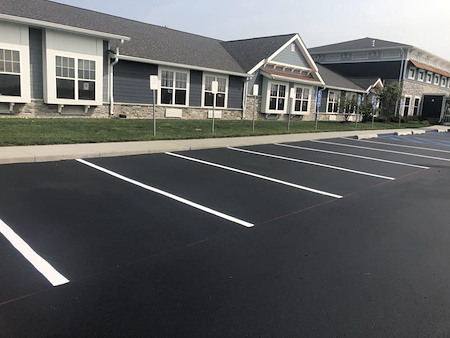
You want pavement that looks sharp and lasts. The right Kansas City asphalt sealcoating schedule depends on traffic, sun exposure, and Midwest weather. If you want a quick starting point, most properties in our area benefit from a professional asphalt sealcoating cycle set to local seasons and surface wear. This guide shows you how to dial in timing for your home or parking lot with simple, confident decisions.
What Drives Your Sealcoating Schedule In Kansas City
Kansas City’s freeze-thaw cycles, spring storms, summer heat, and winter deicers all work the surface hard. South-facing driveways in Brookside or Waldo can oxidize faster. Shaded Northland cul-de-sacs may hold moisture after rain. Busy lots in the Crossroads or near the Plaza see thousands of turns and tire scrubs each week.
Before any sealer goes down, address open cracks so water can’t reach the base. A quick plan for crack filling stops small issues from becoming potholes and helps the next coat bond and cure as intended. **Always seal cracks before any sealcoat.**
Recommended Kansas City Asphalt Sealcoating Timelines By Surface Type
There is no one-size-fits-all answer, but these local guidelines keep most properties protected:
- Residential driveways with light traffic: every 2 to 3 years, especially in neighborhoods like Brookside, Waldo, and the Northland.
- Small to mid-size commercial lots serving daily traffic: about every 2 years to keep color, traction, and protection.
- High-turn, heavy-vehicle areas (delivery lanes, multi-tenant retail): consider every 1 to 2 years.
- Low-traffic, shaded, or well-protected surfaces: closer to 3 years if sealer is still beading water and the surface isn’t raveling.
More is not always better. **Do not over-seal every year; build-up can crack or peel.** Aim for a cycle that maintains protection without stacking unnecessary layers.
New Pavement vs. Older Surfaces: When To Start
Fresh asphalt needs time to cure before its first coat. Your contractor will confirm when the binder has stabilized and temperatures are in the safe zone. Many Kansas City properties plan the first seal during a warm, dry stretch in the first full season after paving. After that, falling into the 2–3 year rhythm for homes, or 1–2 years for busy lots, keeps protection steady.
Simple Checks That Tell You It’s Time To Reseal
Walk the surface after a rain or hose test and look for these signs:
- Color shift from deep black to dull gray with chalking
- Water soaking in instead of beading on top
- Fine raveling or loose aggregate at the surface
- Oil stains that don’t clean up easily
- Hairline cracks widening toward 1/4 inch
- Faded striping or reduced night visibility
If two or more show up, schedule an assessment. An experienced crew will propose prep, coat count, and a realistic window that fits your operations.
The Best Season To Sealcoat In Kansas City, MO
Sealer needs warmth and dryness to bond. In our climate, that usually means late spring through early fall when daytime and overnight temperatures stay above 50°F and rain chances are low. **Schedule during a stretch of warm, dry weather** and you’ll see better color, better curing, and fewer touch-ups. For busy retail or medical sites, many owners phase work to keep access open while sections cure.
Driveways: A Practical Rhythm For Homeowners
Homes in Kansas City, MO see sun, snow, leaves, and deicers. If your driveway faces south or sits on a hill where runoff crosses the apron, UV and moisture will age the surface faster. Most homeowners stay protected by planning a reseal every 2 to 3 years. If water beads, color still looks rich, and traction feels even, you can likely wait until next season. If not, it’s time to refresh.
Curbs, edging, and landscaping also impact timing. Lots of edges per square foot means more handwork and higher scuff risk near turns. A well-timed coat restores the deep black look and adds a sacrificial layer that takes the abuse instead of your asphalt.
Parking Lots: Matching The Plan To Real-World Traffic
Parking lots near Westport, the Plaza, and Crossroads handle constant turning, cart paths, and delivery lanes. Those motions scrub sealer faster than straight-line driveway travel. Every 1 to 2 years is common for high-turn areas so lines stay visible and the surface stays tight. Where traffic is lighter, a 2-year cadence often works. If you add or shift delivery routes, reassess the cycle because traffic patterns can change wear almost overnight.
Weather, Shading, And Drainage: Small Details, Big Impact
Look at shade, downspouts, and low spots. Shaded sections and splash zones take longer to dry and can dull faster. Standing water over time eats at edges and joints. If you see persistent puddles after storms on the East Side or in parts of Midtown, ask your estimator to flag drainage fixes before the next coat. You’ll get better bonding and longer life out of every application.
Maximize Life Between Coats
You can’t change the weather, but you can influence longevity. Keep the surface clean, manage leaks that soften the finish, and respond to new cracks quickly. **Keep heavy trucks off fresh sealer until it’s fully cured** to prevent scuffs and tracking. For a deeper look at why prep order matters, read this helpful post: crack sealing 101. It explains how targeted prep supports a longer-lasting seal.
Build A Simple, Local Maintenance Calendar
Use this as a starting template, then adjust to your property’s traffic and sun exposure:
- Early spring: inspection and scope for crack filling and patching
- Late spring to early fall: professional sealcoating service during warm, dry stretches
- After curing: refresh striping if visibility has faded
- Each year: brief check after the first freeze-thaw week and after the hottest week of summer
If your site hasn’t been sealed in several years or you’ve added traffic, a quick assessment will confirm coat count and scheduling that minimizes downtime.
Why Work With Gorman Sealcoating & Striping In Kansas City
Local experience matters. Our team plans around neighborhood traffic, tenant hours, and weather windows so your surface cures clean and stays protected. We scope prep first, then apply the right number of coats at the correct rate so your asphalt gets a durable, even finish. If you’re researching options, you can always start at our home base to learn more about Kansas City asphalt sealcoating and related services across the metro.
Ready To Plan Your Next Sealcoat?
Let’s map the right schedule for your driveway or parking lot and protect your surface for the long haul. Visit our asphalt sealcoating page to request a no-pressure assessment, or call 913-626-7769 to talk with a local specialist at Gorman Sealcoating & Striping today.
Get a Fast, Reliable Asphalt Repair! Contact Our Asphalt Company In Kansas City Today!